Project Spotlight: Edmund Rice Ministries Philippines
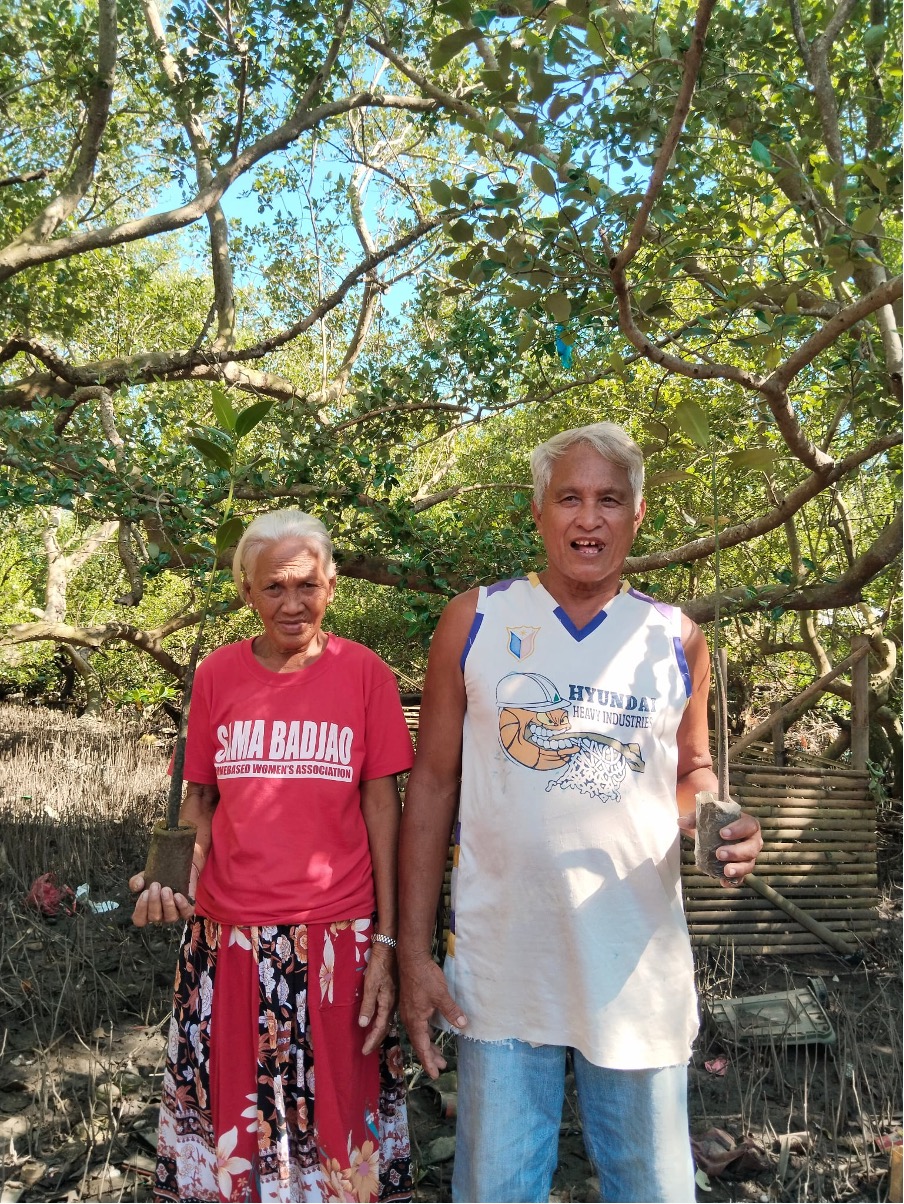
The Sama-Bajau community in Bato, Leyte has long depended on the sea for food, income and cultural identity. However, years of mangrove degradation, coastal erosion and the impacts of climate change have threatened these vital ecosystems, reducing fish breeding grounds, weakening natural coastal protection and increasing the community’s vulnerability to environmental hazards.
Beyond environmental challenges, many Sama-Bajau families also faced limited access to livelihood opportunities, financial services and development programmes that could strengthen their economic resilience. The combination of environmental degradation and economic vulnerability highlighted the need for an approach that would protect the community’s natural resources while creating opportunities to improve household livelihoods.
Edmund Rice Ministries Philippines developed the Building Inclusive and Resilient Community project to address these challenges through an integrated approach that combines environmental restoration, community participation and livelihood strengthening. The project actively engages the Sama-Bajau community as environmental stewards responsible for protecting and restoring the coastal ecosystems that sustain their way of life.
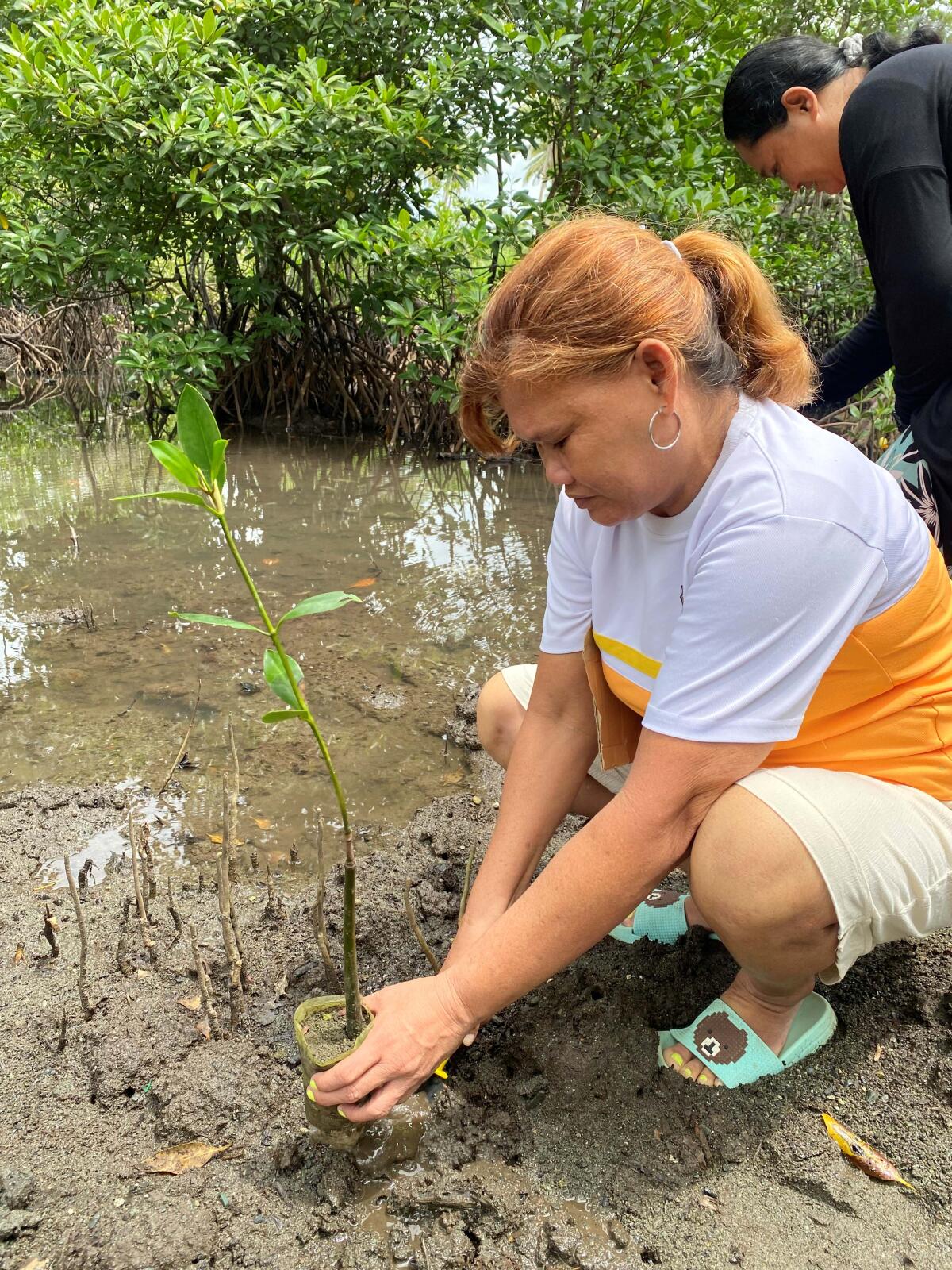
At the heart of the intervention is the community-led mangrove programme. Sama-Bajau participants are involved in collecting propagules, establishing nurseries, raising seedlings and planting mangroves in degraded coastal areas. The project has created alternative livelihood opportunities by purchasing mangrove seedlings and propagules directly from Sama-Bajau growers. This provides families with modest but meaningful additional income, helping diversify household earnings while reinforcing the value of environmental conservation. Their active participation has not only contributed to restoring ecosystems but has strengthened community ownership of local conservation efforts.
Since 2024, approximately 438 Sama-Bajau have actively participated in mangrove propagation, nursery management, planting activities and coastal maintenance. Together, they successfully planted 13,900 mangrove seedlings, contributing to the rehabilitation of degraded coastal ecosystems and strengthening the area’s climate resilience.
The project partners with a community financial institution, enabling participating families to strengthen savings practices and improve financial management. Together, these interventions create a sustainable pathway that links environmental restoration with economic resilience and community empowerment.
‘As Sama-Bajau, we were given the chance to help the environment through mangrove propagation while earning—even if not much. It strengthened our identity as Sama-Bajau and helped us improve our livelihood, especially in building our fishing boat for our family.’ - Julhari Sarabi
For Julhari, participating in this project restored more than mangrove forests; it strengthened his family’s resilience, and reinforced his role as a steward of the environment. Through his involvement, he gained opportunities to supplement his livelihood while helping protect the coastal ecosystems that sustain the Sama-Bajau community.
When indigenous communities are entrusted as partners in environmental conservation, they not only restore ecosystems but also strengthen livelihoods, build community resilience and safeguard natural resources for future generations.
By connecting environmental stewardship with sustainable livelihoods, the project demonstrates that restoring mangroves is also about restoring opportunities, dignity and hope.