ERD Programme Manager Naidi visits Kenya
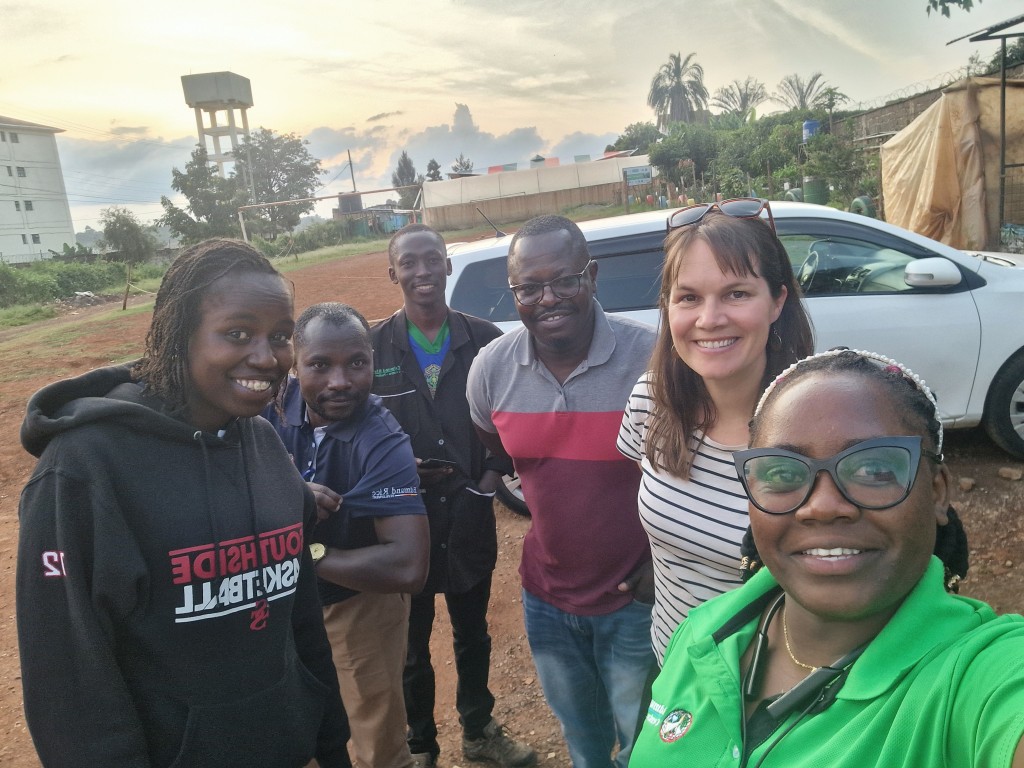
ERD Programme Manager Naidi McDonnell travelled to Kenya in May to conduct monitoring visits of three ER Development Projects.
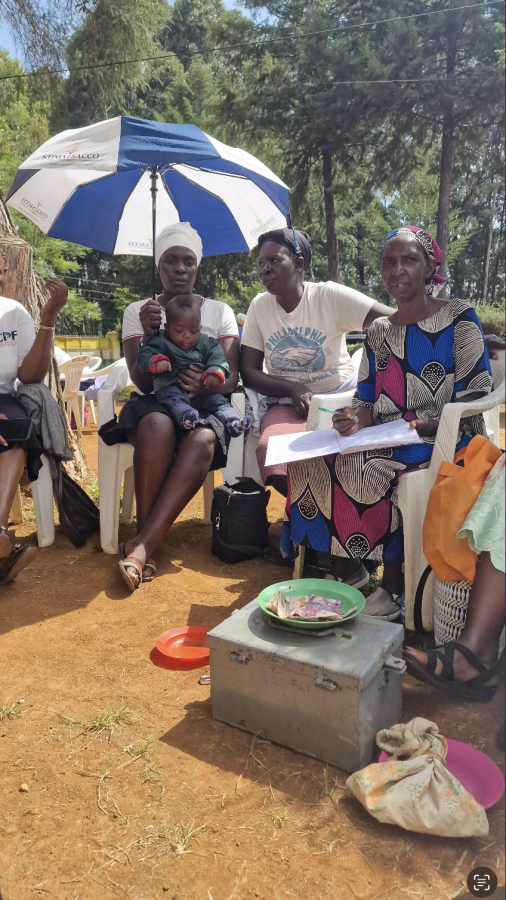
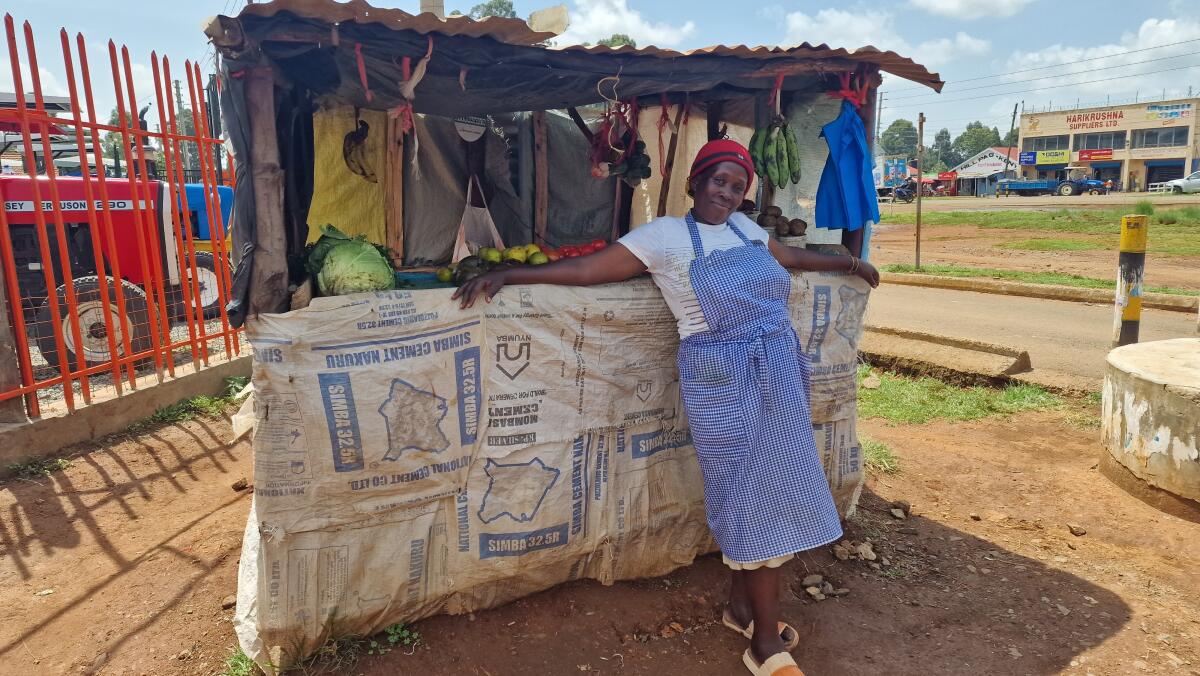
During my recent monitoring visit to Kenya, I had the privilege of spending time with three dedicated project teams. At Edmund Rice Centre Nairobi (ERCN), I met caregivers of children and young adults with disabilities. Through vocational and financial literacy training, parents who once felt defeated are now running small businesses and managing their finances confidently. One mother proudly talked about her laundry business, explaining how she’s now able to budget, save and reinvest her earnings. The table banking groups have strengthened both livelihoods and community bonds. I also had the chance to join a meeting between ERCN and the Daughters of Charity to discuss how best to support young adults with disabilities who are ‘ageing out’ of current services. ERD and ERCN also explored a promising partnership with CBM Kenya to build a stronger network of disability support and advocacy.
In Eldoret, I visited the Edmund Rice Eldoret Empowerment Programme (EREEP), where the team’s dual focus on school-based empowerment for girls and support for young mothers is changing lives. In the schools, open discussions around menstruation have replaced stigma with empathy.
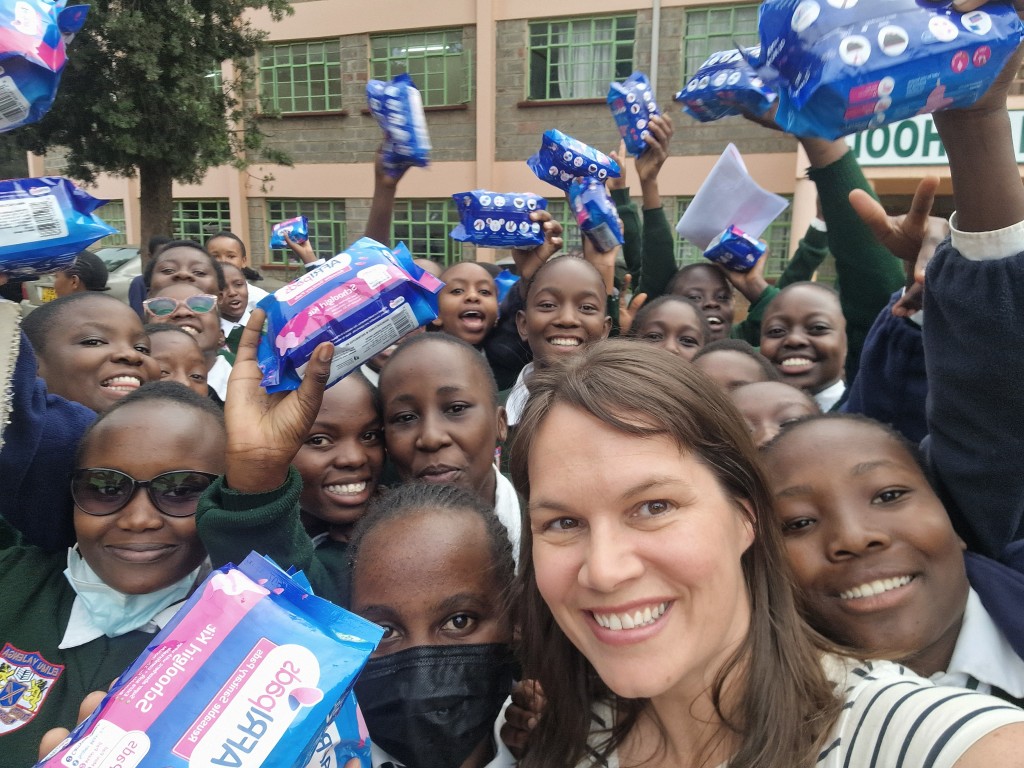
I was lucky enough to arrive in time for World Menstruation Day, when the EREEP team was running a campaign and handing out reusable sanitary kits to schoolgirls. For many girls, this means no more missed school days, a simple change that can transform their education. The schools involved in the programme are creating safe spaces where boys now support girls, and teachers use a holistic supportive approach to education. EREEP’s work with teen mothers is equally inspiring. Young women who once felt invisible are gaining confidence, learning childcare and life skills, and even sharing their stories publicly. One mum told me, ‘People see me differently now, like I matter.’
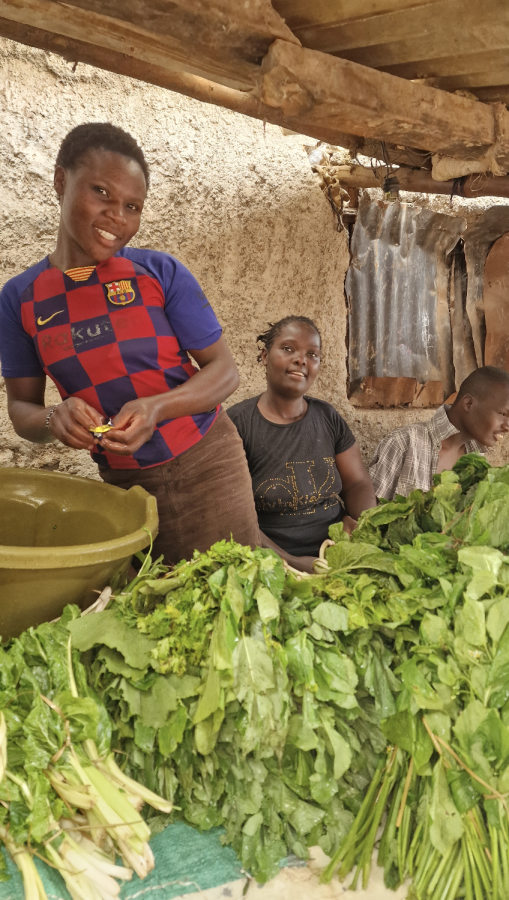
At Education for Life (EFL), I met people living with HIV who are thriving through psychosocial care, vocational training and savings groups, which foster financial independence. Many participants have started small businesses in tailoring, catering and kitchen gardens, while others mentor new members. The Savings and Internal Lending Community (SILC) groups are flourishing, building both livelihoods and confidence. One participant summed it up powerfully: ‘Education for Life is like a home. If it wasn’t for this project I would be in a grave’.
Across all three projects, the results are clear: families are stronger, women are empowered and communities are more inclusive. The commitment of the Edmund Rice project teams and their governing bodies continues to show how, with the right support, people can transform their own futures and bring about long-term sustainable change within communities.