Abigail’s Visit to the Philippines
ERD Capacity Development and Communications Manager Abigail Carney had the opportunity to travel to the Philippines to visit the team and projects of Edmund Rice Ministries Foundation Philippines Inc (ERMFPI). During her time there, she familiarised herself with ERMFPI’s organisation, management team and governing body, and conducted monitoring visits of the two ERD-funded projects.
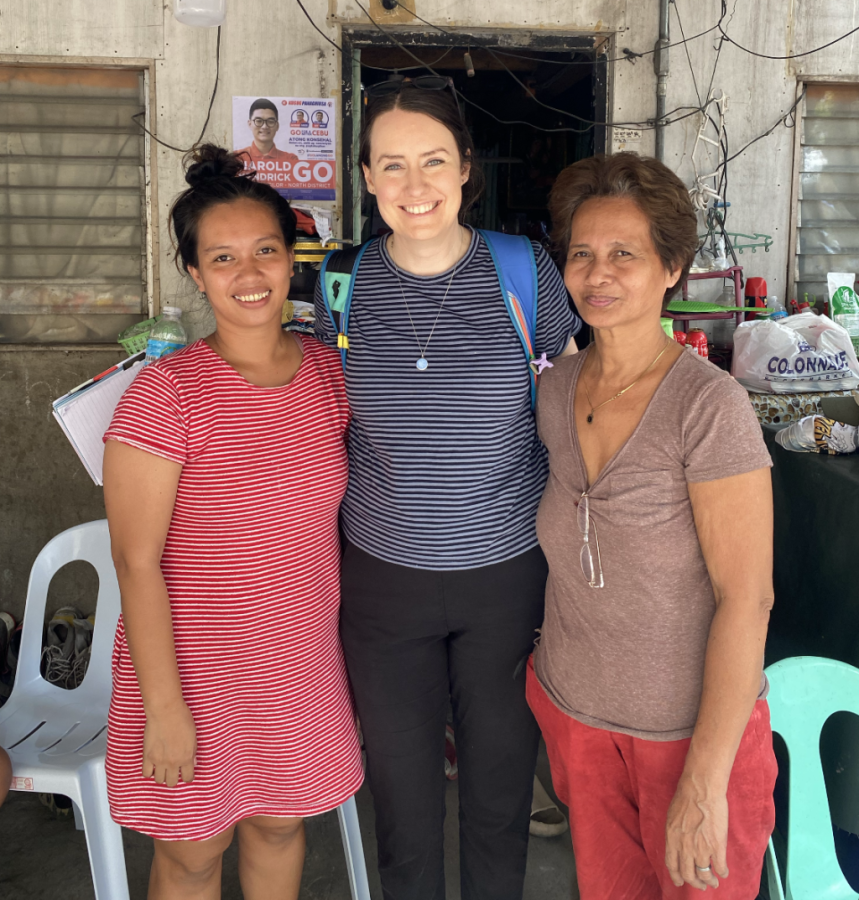
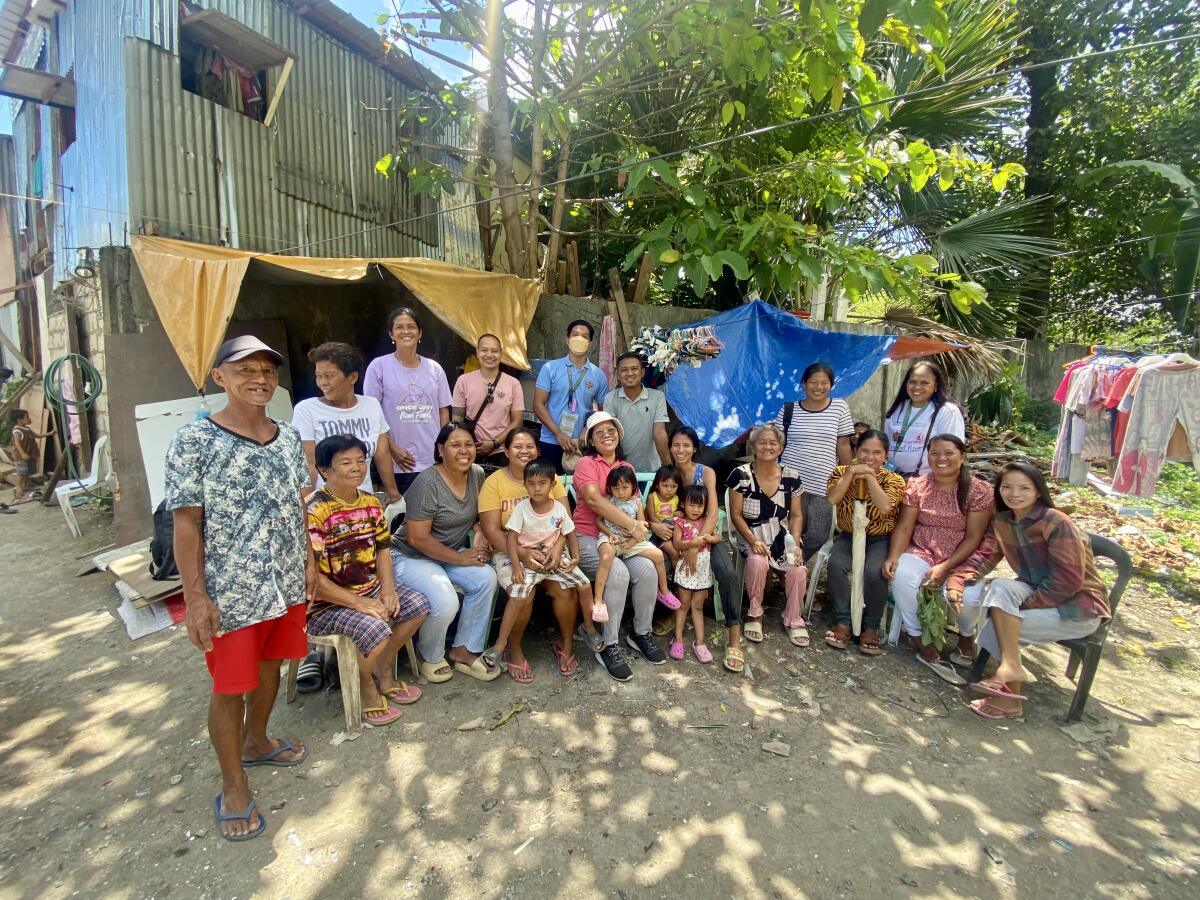
Abigail started her trip in Cebu City, where ERMFPI’s Executive Director Betta Salera and Programme Manager Dominic Carangue accompanied her to the SPACERS project. SPACERS stands for Strengthening Participatory Advocacy and Community-based Enterprises in Resettlement Sites; the project works with beneficiaries in two resettlement sites in Cebu city–the Chinese cemetery and the port area. The project team used the ‘furthest behind first’ approach within Cebu by examining discrimination, shock and fragility, geographic isolation, socio-economic status, and governance to select the project locations; communities within the cemetery and on the sidewalks in the port area were identified as the most vulnerable groups in Cebu.
The project uses an accompaniment model to address these communities’ needs through advocacy, livelihoods and linkage building. The advocacy is especially impressive and empowering to the beneficiaries. When the families living in the cemetery (some for over 40 years) were facing eviction, the project team worked alongside them to educate them on their rights, and ensured they were aware of their choices so that they could make informed decisions. The team have assisted both sites in forming Homeowners Associations (HOAs). By registering as HOAs with their Local Government Units, their communities are able to access government services. Abigail attended a workshop for the HOAs that the project was conducting, and it was brilliant to see the associations formalising their plans for the year and learning from each other.
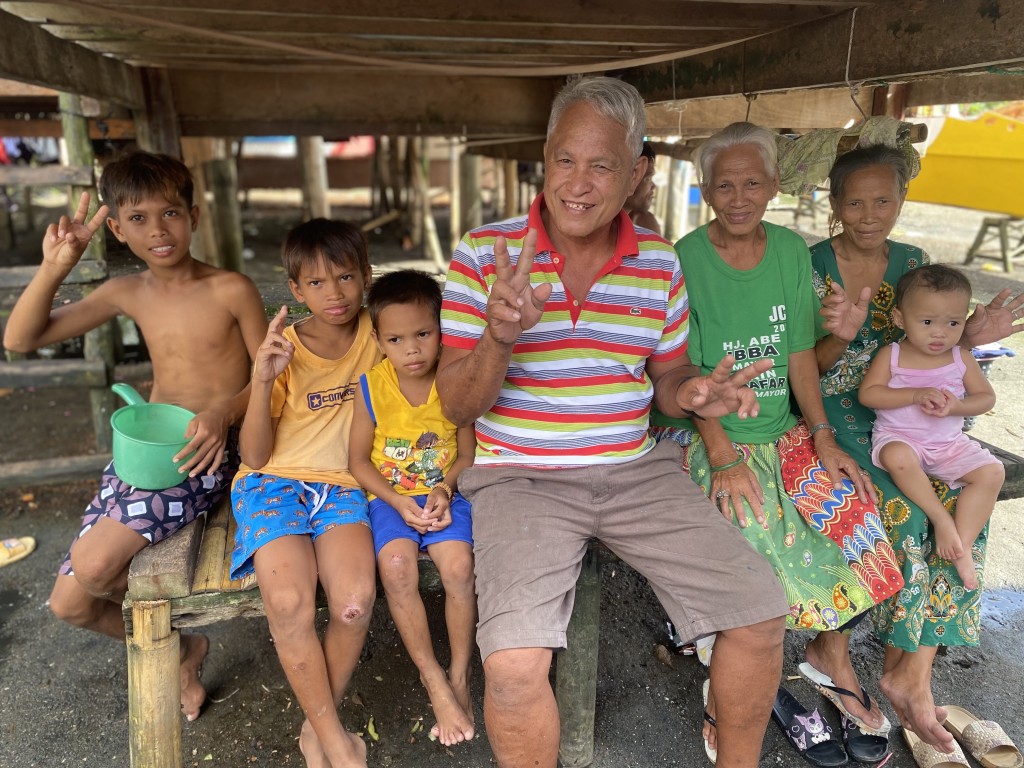
After two days in Cebu, Abigail headed on an overnight ferry to Maasin to visit the Sama-Badjao community. ERMFPI has been accompanying the Sama-Badjao community since 2018, and their current project works with the Sama-Badjaos on ‘Building an Inclusive and Resilient Community’ through culturally-sensitive disaster reduction, disaster resistance and livelihoods. The Sama-Badjaos, also knowns as the ‘sea gypsies,’ are an indigenous group living in Dohlo, Bato, Leyte. Originally from Indonesia, they are a marginalised group that has been in the area since 1930s, and have often faced discrimination and stigma from the wider community. Due to their coastal inhabitancy and cultural ties to the sea, they are at higher risk for disasters and continually experience the impacts of climate change.
It was wonderful meeting the Sama-Badjaos and learning about their ancestry and culture, hearing about their experiences working with ERMFPI and witnessing their daily life. Their engagement with the project has had a profound impact on their lives and their community. Beneficiaries noted that before the project, their days consisted of sitting around, gossiping, playing volleyball and resting. They knew their community needed improvements, but didn’t do anything about it. The project team accompanied the beneficiaries and helped them leverage their own strengths to build a better community. The project supported the Sama-Badjaos in forming a Women’s Association, which is now formally registered and recognised by the government. All project plans go through the association, which has empowered the women to lead their community. The project has also had an impact in the wider community. Now, the Sama-Badjao children attend local schools and have been accepted by their peers. This is a notable change since the project began when the school planned to have separate classrooms for the Sama-Badjao due to fear they would be harassed and bullied. Before, Sama-Badjaos wouldn’t avail of health care from the hospital. Management would turn them away as they thought they wouldn’t be able to pay. Now, the community accepts them and accommodates them at the clinics and local hospitals. They are active participants in their local community and are accepted by the local and municipal governments. This wider perception change is an outcome of the project’s strong advocacy.
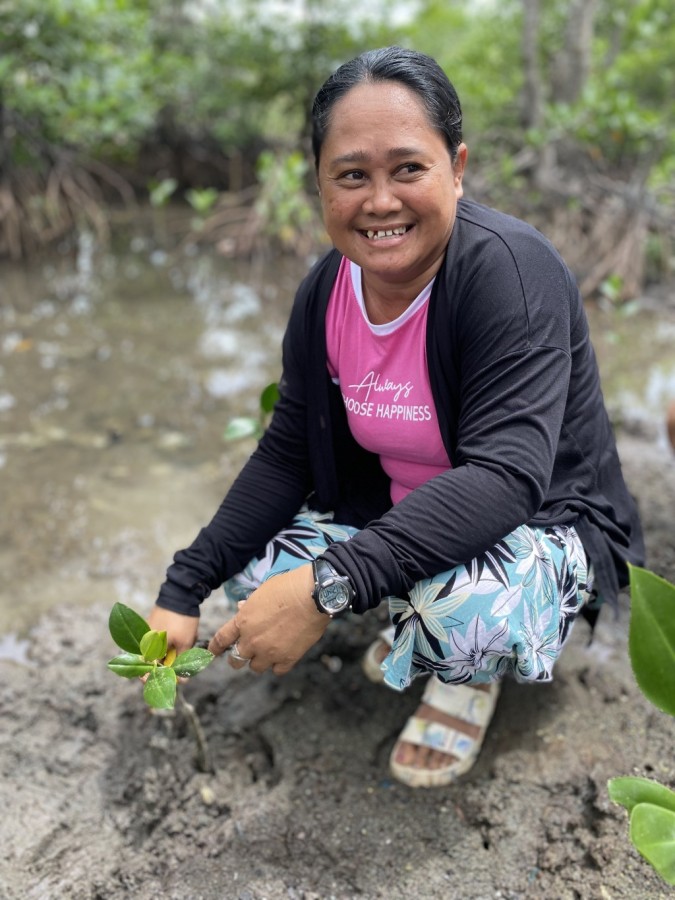
Additionally, the project has a mangrove restoration component as part of their disaster reduction plan. The team strategically plants mangroves in areas that not only protect the community from natural disasters, but prevents the area from being reclaimed by the government and the community from being re-settled as mangrove eco-systems are considered protected reservation areas. The mangrove project has also evolved into a livelihoods project. Instead of the project team purchasing seedlings from other areas, they encouraged the Sama-Badjaos to grow their own seedlings, and the project purchases them from the community. The project team also promoted this to the local government and nearby institutions, and now they too purchase from the Sama-Badjaos.
It was a wonderful week in the Philippines and we look forward to seeing how these projects continue to progress and innovate! We thank Misean Cara for supporting these projects and thank the entire ERMFPI team for such a warm welcome.